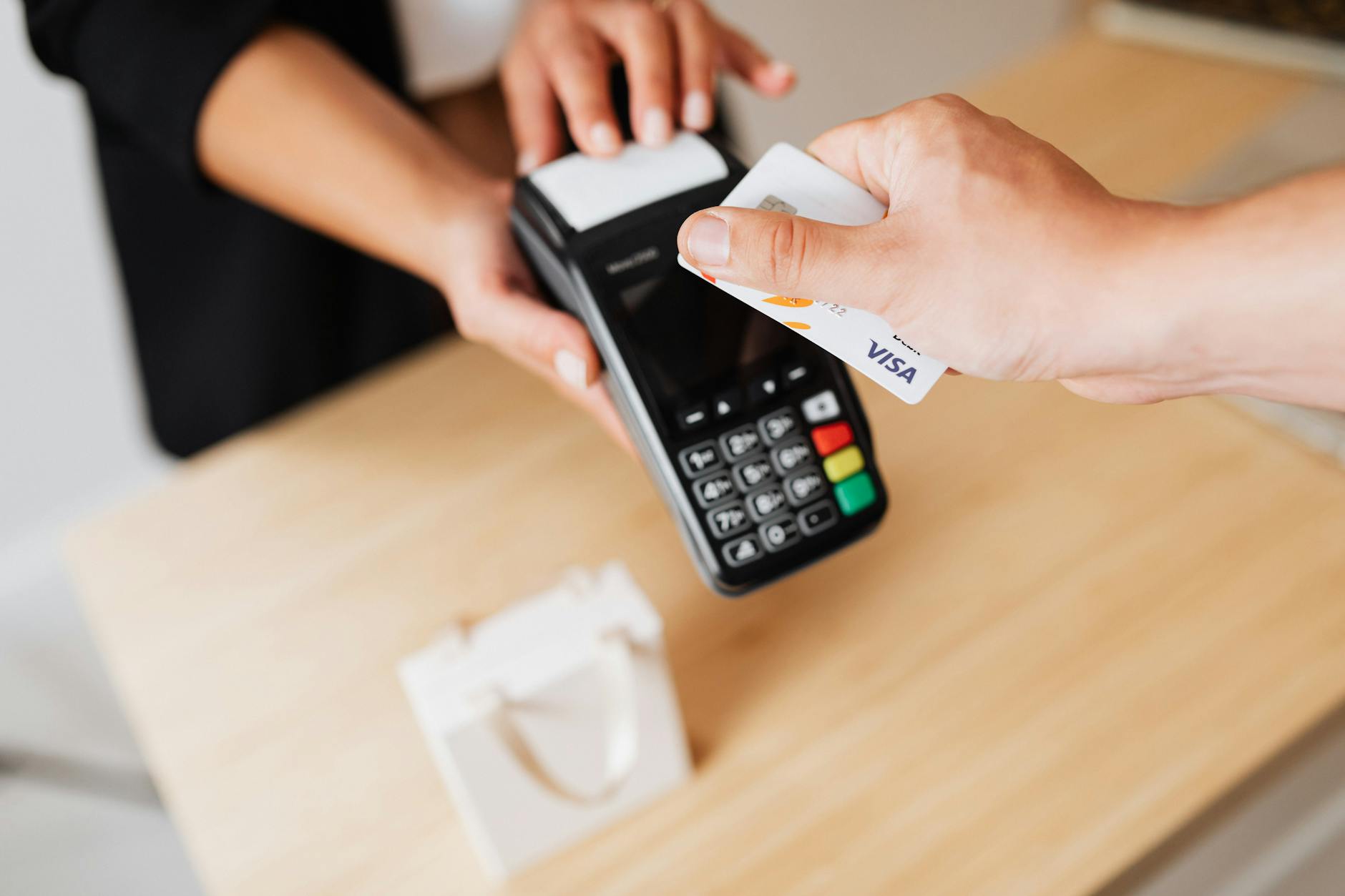
What is a cashiers check? It is a check that a bank guarantees with its own funds. Unlike a personal check, a cashiers check cannot bounce. The bank takes money from your account first.
Then it issues the check in the bank’s name. This makes it one of the safest forms of payment available. For large purchases, sellers often require this type of payment. Understanding what is a cashiers check helps you handle big financial transactions with confidence. Whether you are buying a car, closing on a house, or sending a large payment, this guide explains everything you need to know in plain language.
How Does A Cashiers Check Work?
The process is simple. You visit your bank and request a cashiers check. You tell the teller the exact amount and the name of the person or business you are paying. The bank withdraws that amount from your account immediately. Then it prints a check drawn on the bank’s own funds. You receive the check and hand it to the payee. The payee can deposit it knowing the money is guaranteed.
For example, imagine you are buying a used car for $8,500. The seller does not want a personal check because it could bounce. You go to your bank and request a cashiers check for $8,500 made out to the seller’s name. The bank deducts $8,500 from your checking account plus a small fee, typically $10 to $15. You hand the cashiers check to the seller. The seller deposits it and the funds clear quickly because the bank already set aside the money.
This is why learning what is a cashiers check matters for anyone making large payments. The guarantee comes from the bank itself, not from your personal account balance at the time of deposit. As a result, recipients trust cashiers checks far more than personal checks.
What Is a Cashiers Check Compared to Other Payment Methods?
Many people confuse cashiers checks with money orders and certified checks. However, each works differently. The table below breaks down the key differences so you can choose the right option for your situation.
| Feature | Cashiers Check | Certified Check | Money Order |
|---|---|---|---|
| Issued by | Bank | Bank (from your account) | Post office, store, or bank |
| Funds guaranteed by | The bank | Your account (held funds) | Issuing agency |
| Typical fee | $10 – $15 | $10 – $20 | $1 – $5 |
| Maximum amount | No standard limit | No standard limit | Usually $1,000 |
| Best for | Large payments | Moderate payments | Small payments |
| Where to get one | Your bank or credit union | Your bank or credit union | USPS, Walmart, banks |
In most cases, a cashiers check is the best choice for payments over $1,000. Money orders have low limits. Certified checks depend on your account balance staying untouched. A cashiers check removes that uncertainty entirely. Typically, banks that offer free cashiers checks do so for premium checking account holders. This is worth considering when you open a new bank account for a bonus.
Why A Cashiers Check Matters for Your Money
Understanding what is a cashiers check can save you money and stress. Many major transactions require guaranteed funds. Real estate closings, for example, almost always require a cashiers check. Car dealerships and private sellers prefer them too. Without one, you may lose out on a deal or face delays.
If you are chasing bank bonuses, this matters even more. Many bank bonuses require you to open a checking account and meet certain conditions. Having an account at a bank that offers free or low-cost cashiers checks adds real value. For example, some banks waive the cashiers check fee for accounts with balances above $1,500. That small perk can save you $10 to $15 every time you need guaranteed payment.
As a result, knowing what is a cashiers check helps you pick the right bank account. When comparing bonus offers, look beyond the signup reward. Consider everyday benefits like free cashiers checks, especially if you make large purchases regularly. According to the Consumer Financial Protection Bureau, consumers should always compare fee schedules before opening accounts.
Common Mistakes and Misconceptions
The first mistake people make is thinking what is a cashiers check means it is impossible to forge. Unfortunately, cashiers check fraud is common. Scammers create fake cashiers checks that look real. Always verify a cashiers check by calling the issuing bank directly. Use the phone number from the bank’s website, not the number printed on the check.
The second mistake is waiting too long to use one. Cashiers checks do not expire quickly in most states. However, banks may flag old checks as stale after 90 to 180 days. This can cause delays when the recipient tries to deposit it. Typically, you should use a cashiers check within a few weeks of getting it.
The third mistake is losing a cashiers check and assuming it is easy to replace. Replacing a lost cashiers check is a slow process. You may need to purchase an indemnity bond and wait 30 to 90 days. The FDIC recommends treating cashiers checks like cash. Keep them in a safe place until you deliver them. A fourth common error is not keeping a copy. Always photograph or photocopy the check before handing it over. This protects you if a dispute arises later.
Frequently Asked Questions
How much does a cashiers check cost?
Most banks charge between $10 and $15 for a cashiers check. However, some banks waive this fee for premium account holders. For example, accounts with higher minimum balances often include free cashiers checks as a perk.
Can you get a cashiers check without a bank account?
In most cases, you need an account at the bank issuing the check. Some banks may issue one to non-customers for a higher fee. Typically, it is easier and cheaper to use your own bank or credit union.
How long does it take for a cashiers check to clear?
Federal law requires banks to make the first $5,525 available by the next business day. However, the bank may place a hold on larger amounts for up to seven business days. As a result, what is a cashiers check does not always mean instant access to the full amount for the depositor.
Explore More Banking Guides
Looking for the best bank bonuses, savings rates, and financial strategies? Browse our complete library of banking guides and find the right account for you.
(paid link)
Official Sources & Resources
For verified information on banking regulations and consumer protection:
- FDIC (Federal Deposit Insurance Corporation): fdic.gov
- CFPB (Consumer Financial Protection Bureau): consumerfinance.gov
- Federal Reserve: federalreserve.gov
- NCUA (National Credit Union Administration): ncua.gov
- SEC (Securities and Exchange Commission): sec.gov
Content last reviewed April 2026. If you notice any outdated information, please contact us.