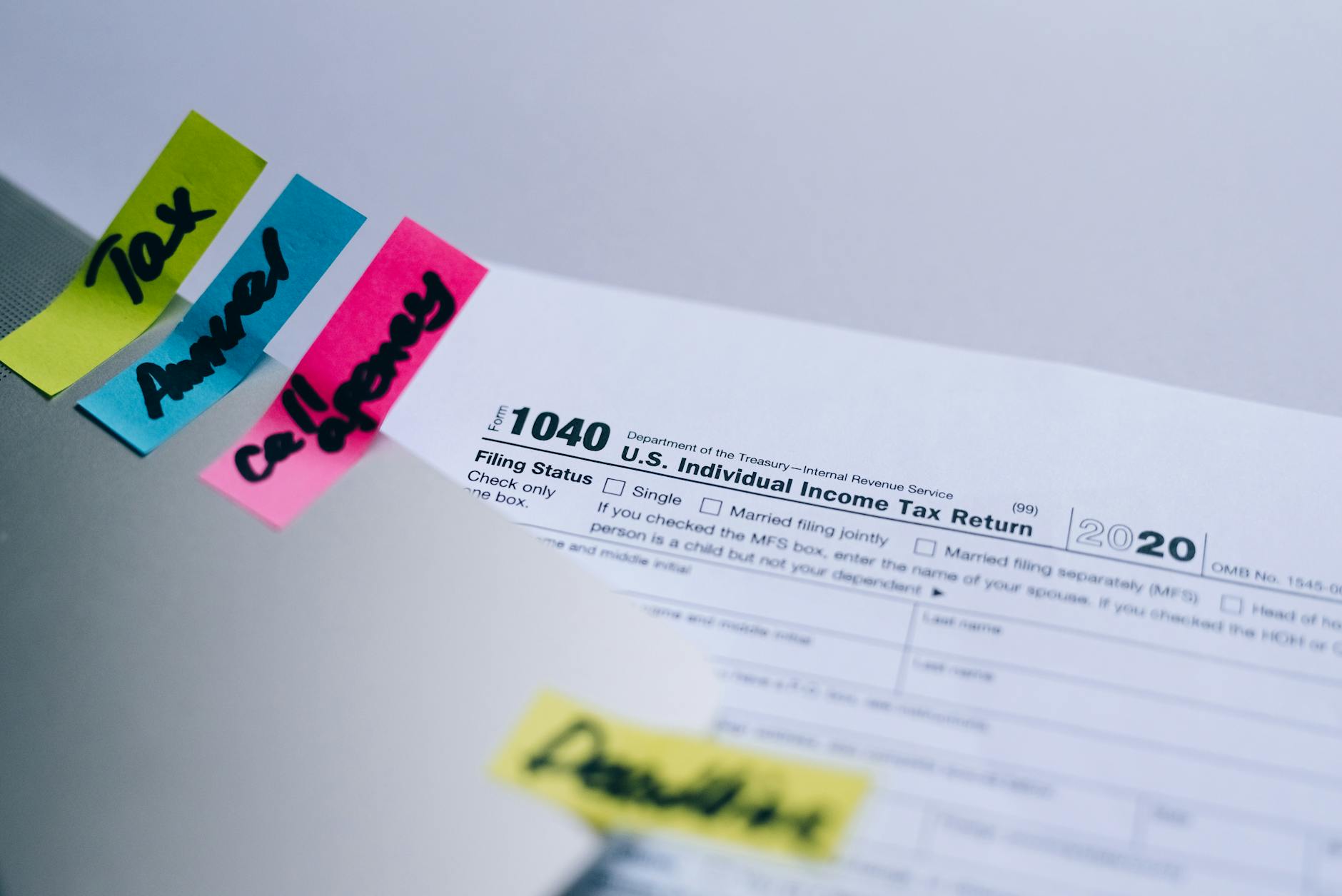
Tax implications bank bonuses catch many new account holders off guard every year. You open a checking account. You earn a $300 bonus. Then January arrives with a 1099-INT form. Suddenly, you owe taxes on money you thought was free.
The IRS treats bank sign-up bonuses as taxable interest income. This applies whether you receive a $50 welcome offer or a $3,000 premium banking bonus. In this guide, you will learn exactly how bank bonuses are taxed. You will also learn how to report them correctly on your tax return. We cover 1099-INT forms, reporting thresholds, and real examples from Chase, Citi, Wells Fargo, and SoFi. Understanding the tax implications bank bonuses carry helps you plan smarter and avoid surprises at tax time.
What Are Tax Implications Bank Bonuses and How Do They Work?
The tax implications bank bonuses create are straightforward. The IRS classifies bank sign-up bonuses as interest income. This is the same category as the interest you earn on a savings account. It does not matter if the bank calls it a “bonus” or “promotion.” In most cases, your bonus will appear on a 1099-INT form. Some banks use a 1099-MISC form instead. Either way, you must report it as income on your federal tax return.
This rule applies to checking account bonuses, savings account bonuses, and money market bonuses. However, credit card sign-up bonuses work differently. The IRS treats credit card rewards as rebates on spending. As a result, credit card bonuses are generally not taxable. Bank account bonuses require no spending to earn. That is why the IRS considers them income.
For example, if you earned a $400 Chase Total Checking bonus in 2025, Chase will send you a 1099-INT by early February 2026. You then report that $400 on your tax return. If you are in the 22% federal tax bracket, you would owe about $88 in federal taxes on that bonus. State taxes may apply as well, depending on where you live.
Step-by-Step: How to Handle Tax Implications Bank Bonuses
Follow these steps to stay compliant with IRS rules on bank bonus income.
Step 1: Track every bonus you earn. Keep a spreadsheet with the bank name, bonus amount, and date received. This is especially important if you open multiple accounts per year. Typically, bonus earners who target several banks can accumulate $1,000 to $3,000 annually. Do not rely on memory alone.
Step 2: Watch for your 1099 forms. Banks must send 1099-INT forms by January 31 each year. If that date falls on a weekend, the deadline extends to the next business day. For example, in 2026, forms were due by February 2. Check your mail and your online banking portal. Some banks only deliver 1099 forms electronically.
Step 3: Report all bonus income, even without a 1099. Banks are only required to issue a 1099-INT for interest of $10 or more. However, the IRS requires you to report every dollar of interest income. If you earned a $5 bonus and received no form, you must still include it. Report bank bonuses on Schedule B of your federal tax return.
Step 4: Verify accuracy and file. Compare each 1099-INT to your records. Banks occasionally make errors. If a form is wrong, contact the bank immediately. Then file your return with the correct amounts. In most cases, tax software like TurboTax or H&R Block will walk you through Schedule B automatically.
Best Banks for Bonuses and Their Tax Implications Bank Bonuses in 2026
The tax implications bank bonuses carry vary based on the amount you earn. Higher bonuses mean more tax owed. Here are the top bank bonuses available in April 2026, along with estimated federal tax at the 22% bracket.
| Bank | Bonus Amount | Requirement | Estimated Tax (22%) | Tax Form |
|---|---|---|---|---|
| Chase Private Client | Up to $3,000 | $150,000–$500,000 deposit | Up to $660 | 1099-INT |
| Chase Total Checking | $400 | $1,000 direct deposit | $88 | 1099-INT |
| SoFi Checking & Savings | $400 | $5,000 direct deposit in 25 days | $88 | 1099-INT |
| Citi Checking | $325 | Two direct deposits totaling $3,000 | $71.50 | 1099-INT |
| Wells Fargo Everyday Checking | $300 | $1,000 direct deposit in 90 days | $66 | 1099-INT |
| Chase Secure Banking | $125 | No direct deposit required | $27.50 | 1099-INT |
| SoFi (Lower Tier) | $50 | $1,000 direct deposit in 25 days | $11 | 1099-INT |
As you can see, the tax implications bank bonuses create are real but manageable. A $300 Wells Fargo bonus still nets you $234 after federal tax at 22%. That is still free money for opening an account. However, you should factor in state income taxes too. States like California and New York add another 5% to 10% on top.
Typically, most banks report bonuses on 1099-INT forms. Some regional banks or credit unions may use 1099-MISC instead. The tax treatment is the same either way. You report the income, and you pay taxes at your marginal rate.
Risks and Warnings
The biggest risk people overlook is the tax implications bank bonuses add to their annual income. A single $300 bonus may not matter much. But earning $2,000 or more across multiple banks could push you into a higher tax bracket. For example, if you are near the boundary between the 12% and 22% brackets, bonus income could tip you over. Plan accordingly.
Another risk involves unreported income. If a bank sends a 1099-INT to the IRS but you fail to report it, the IRS may flag your return. This can trigger a CP2000 notice. That notice proposes additional tax plus interest and penalties. As a result, always report every bonus, even small ones. The penalty for underreporting is typically 20% of the underpaid amount.
💰 Get Free Bonus Alerts
Free · No spam · Unsubscribe anytime
Watch out for early account closure fees as well. Some banks charge $25 to $50 if you close an account within 90 to 180 days. However, these fees are not tax-deductible for most people. ChexSystems inquiries are another concern. Opening too many bank accounts in a short period can lead to denials. Typically, opening more than six accounts per year raises flags. Finally, some bank bonuses require hard credit pulls. Chase, for example, may pull your credit for certain accounts. This can temporarily lower your score by 5 to 10 points.
Tips for Success
Experienced bonus earners on communities like Doctor of Credit follow a disciplined approach. Here are six tips that help you maximize earnings while managing the tax implications bank bonuses create.
1. Set aside 25-30% of each bonus for taxes. Transfer that amount to a savings account immediately. This prevents a surprise tax bill in April. 2. Use a tracking spreadsheet. Record every bank, bonus amount, date earned, and whether you received a 1099. 3. Time your bonuses strategically. If you are close to a tax bracket boundary, consider delaying a bonus to the next calendar year. 4. Read the fine print on holding periods. Most banks require you to keep the account open for 6 to 12 months. Closing early forfeits the bonus or triggers fees.
5. Do not forget state taxes. The tax implications bank bonuses carry include state income tax in most states. Only states with no income tax, like Texas and Florida, give you a pass. 6. Keep all 1099 forms for at least three years. The IRS can audit returns up to three years back. In cases of substantial underreporting, the window extends to six years. Having documentation protects you.
Frequently Asked Questions
Do I have to pay taxes on a bank bonus if I never received a 1099 form?
Yes, you must report all bank bonus income regardless of whether you receive a 1099 form. The IRS requires you to report every dollar of interest income. In most cases, banks only issue 1099-INT forms for amounts of $10 or more. However, the tax obligation exists even without the form.
What is the difference between a 1099-INT and a 1099-MISC for bank bonuses?
Most banks report sign-up bonuses on a 1099-INT, treating them as interest income. However, some banks use a 1099-MISC instead. For example, certain promotional bonuses tied to non-deposit activities may appear on a 1099-MISC. Typically, the tax implications bank bonuses create are the same either way. You report the income and pay taxes at your ordinary income rate.
Can I deduct bank account fees against my bonus income?
For most individuals, bank fees are no longer deductible. The Tax Cuts and Jobs Act of 2017 eliminated miscellaneous itemized deductions through 2025. As a result, you cannot offset your bonus income with monthly maintenance fees or early closure fees. The full tax implications bank bonuses carry apply to the gross bonus amount, not the net after fees.
How much tax will I actually owe on a $500 bank bonus?
Your tax depends on your marginal tax rate. At the 12% bracket, you would owe $60 in federal tax. At the 22% bracket, you would owe $110. At the 32% bracket, you would owe $160. State taxes add more in most states. For example, a California resident in the 22% federal bracket would owe roughly $155 total on a $500 bonus.
Explore More Banking Guides
Looking for the best bank bonuses, savings rates, and financial strategies? Browse our complete library of banking guides and find the right account for you.
(paid link)
Official Sources & Resources
For verified information on banking regulations and consumer protection:
- FDIC (Federal Deposit Insurance Corporation): fdic.gov
- CFPB (Consumer Financial Protection Bureau): consumerfinance.gov
- Federal Reserve: federalreserve.gov
- NCUA (National Credit Union Administration): ncua.gov
- SEC (Securities and Exchange Commission): sec.gov
Content last reviewed April 2026. If you notice any outdated information, please contact us.