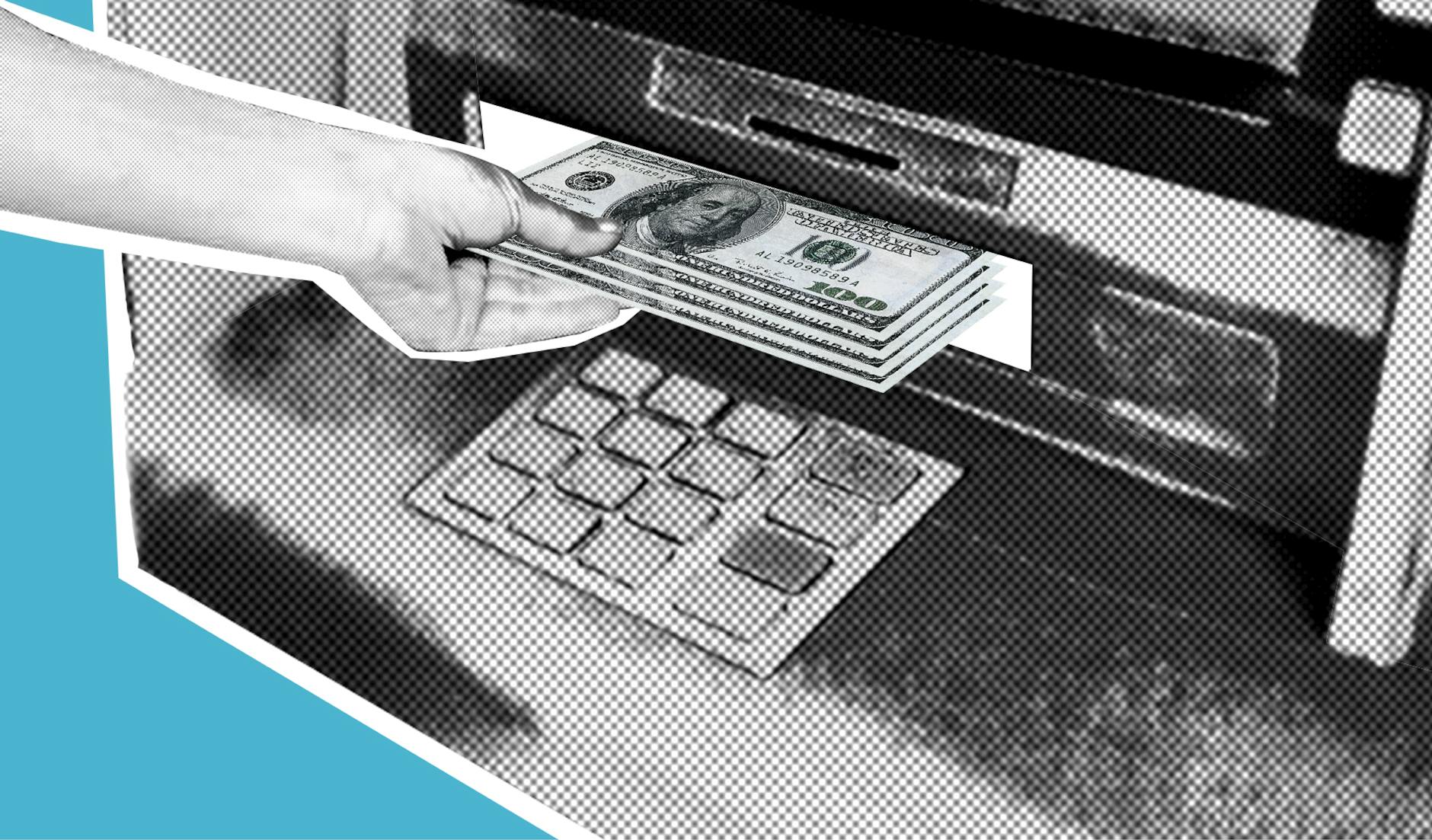
What is a sweep account? It is a bank or brokerage feature that automatically moves your idle cash into a higher-yielding account. Think of it like a smart assistant for your money. When cash sits unused in your checking or brokerage account, the sweep feature transfers it somewhere it can earn interest. When you need that cash back, it moves right back automatically.
You never have to lift a finger. Understanding what is a sweep account matters because it affects how much interest you earn every single day. Many people leave thousands of dollars sitting in accounts earning almost nothing. A sweep account fixes that problem. If you are shopping for a new bank or brokerage, knowing what is a sweep account can help you pick the right one. It is especially important if you keep large cash balances.
How Does A Sweep Account Work?
A sweep account works on a simple schedule. At the end of each business day, your bank or brokerage checks your cash balance. If there is money above a set threshold, it automatically transfers the excess into a designated higher-yield account. This could be a savings account, a money market fund, or an FDIC-insured deposit at a partner bank. The process happens without any action from you.
Here is a practical example. Say you have a brokerage account with $15,000 in idle cash. Your broker’s sweep program moves that cash into a government money market fund each night. That fund pays around 4.0% APY. Over one year, your $15,000 earns roughly $600 in interest. However, if your cash just sat in the default brokerage account with no sweep, it might earn only 0.01% APY. That is just $1.50 for the whole year. As a result, the sweep account earns you about $598 more.
When you place a trade or write a check, the system automatically sweeps cash back to cover the transaction. In most cases, this happens the same business day. You never see a delay or a failed payment. The entire process is seamless.
What Is a Sweep Account? Key Facts You Should Know
Understanding what is a sweep account starts with knowing the different types. Not all sweep accounts work the same way. The sweep destination determines your interest rate and your insurance coverage. Here is a comparison of the main types.
| Sweep Type | Where Cash Goes | FDIC Insured? | Typical APY | Best For |
|---|---|---|---|---|
| Bank Deposit Sweep | Affiliated bank savings account | Yes, up to $250,000 | 0.01% – 0.45% | Safety-focused savers |
| Money Market Fund Sweep | Government or prime money market fund | No (SEC-regulated) | 3.5% – 5.0% | Investors seeking higher yield |
| Multi-Bank Sweep | Multiple FDIC-insured partner banks | Yes, up to $2M–$8M+ | 3.5% – 4.5% | Large cash balances needing full coverage |
| Loan Sweep | Pays down a business line of credit | N/A | Saves loan interest | Businesses with revolving debt |
For example, Fidelity sweeps your cash into its Government Money Market Fund (SPAXX) by default. This typically pays a competitive rate that tracks the federal funds rate. Schwab, on the other hand, sweeps cash into its affiliated Schwab Bank. That pays significantly less. The difference can cost you hundreds or even thousands of dollars per year.
One critical detail is FDIC insurance. Bank deposit sweeps are insured up to $250,000 per depositor, per bank. However, money market fund sweeps are not FDIC-insured at all. They are considered securities. Multi-bank sweep programs spread your cash across several banks, giving you coverage well beyond the standard $250,000 limit.
Why A Sweep Account Matters for Your Money
Knowing what is a sweep account gives you an edge when choosing where to bank. Many people open accounts without checking the sweep terms. They might earn 0.01% on idle cash while the bank earns 4% or more by lending that same money out. This spread is a major revenue source for banks and brokerages. In fact, some firms have faced lawsuits and regulatory scrutiny over low sweep rates.
If you are chasing bank bonuses, understanding what is a sweep account becomes even more important. Many bank bonus offers require you to maintain a minimum balance for a set period. If your sweep program moves cash out of the qualifying account, you could accidentally fall below the minimum. Typically, you should check whether the sweep counts toward or against your bonus balance requirement before signing up.
As a result, the best strategy is to compare sweep options before opening any account. Look at the default sweep vehicle, the APY, and whether FDIC coverage applies. A few minutes of research can mean hundreds of extra dollars each year. For example, switching from a 0.01% bank sweep to a 4.0% money market sweep on a $50,000 balance saves you roughly $2,000 annually.
Common Mistakes and Misconceptions
Mistake 1: Assuming all sweep accounts are FDIC-insured. This is one of the biggest misunderstandings about what is a sweep account. Money market fund sweeps are not FDIC-insured. They are regulated by the SEC, not the FDIC. Only bank deposit sweeps carry FDIC protection. Always check your account agreement to see where your cash actually goes.
💰 Get Free Bonus Alerts
Free · No spam · Unsubscribe anytime
Mistake 2: Ignoring the default sweep rate. Most brokerages set a default sweep vehicle when you open an account. In many cases, this default pays the lowest possible rate. For example, you might earn 0.01% by default when a money market option at the same firm pays 4.0% or more. You often need to manually change your sweep selection. Do not assume the default is the best option.
Mistake 3: Thinking sweep accounts are only for wealthy investors. Understanding what is a sweep account benefits everyone with a bank or brokerage account. Even a $5,000 balance earns noticeably more interest with the right sweep setup. Additionally, some people confuse sweep accounts with high-yield savings accounts. They are related but not the same. A sweep account is the automatic transfer mechanism. The destination account is what determines your yield.
Mistake 4: Forgetting about tax implications. Interest earned from sweep accounts is taxable as ordinary income. This applies whether your cash sweeps into a bank deposit or a money market fund. You will receive a 1099-INT or 1099-DIV at tax time. However, municipal money market sweeps may offer tax-exempt income in some cases.
Frequently Asked Questions
Is a sweep account safe?
It depends on the sweep type. If your cash sweeps into an FDIC-insured bank account, it is protected up to $250,000. However, if it sweeps into a money market fund, it is not FDIC-insured. In most cases, government money market funds are considered very low risk, but they are not guaranteed.
What is a sweep account at a brokerage like Fidelity or Schwab?
At a brokerage, a sweep account is the default place your idle cash goes. Fidelity typically sweeps into a government money market fund. Schwab sweeps into its affiliated bank deposits. As a result, the interest you earn can vary significantly between brokers. Always check the sweep terms before opening an account.
Can I lose money in a sweep account?
With FDIC-insured bank deposit sweeps, you cannot lose your principal up to the insurance limit. For money market fund sweeps, there is a very small risk. Typically, government money market funds have never lost value for retail investors. However, prime money market funds did lose value once during the 2008 financial crisis. For most people, the risk is extremely low.
Explore More Banking Guides
Looking for the best bank bonuses, savings rates, and financial strategies? Browse our complete library of banking guides and find the right account for you.
(paid link)
Official Sources & Resources
For verified information on banking regulations and consumer protection:
- FDIC (Federal Deposit Insurance Corporation): fdic.gov
- CFPB (Consumer Financial Protection Bureau): consumerfinance.gov
- Federal Reserve: federalreserve.gov
- NCUA (National Credit Union Administration): ncua.gov
- SEC (Securities and Exchange Commission): sec.gov
Content last reviewed April 2026. If you notice any outdated information, please contact us.